Birth, Breath & Yoga
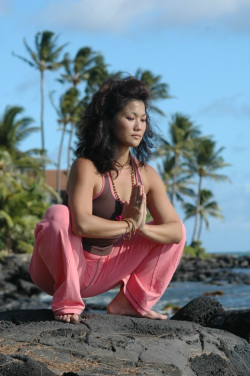
Yoga is a grounding and expansive practice for pregnancy. We highly encourage regularity to keep your pregnant body healthy and limber and prepare you for your upcoming, eminent birth.
This class helps the expecting mother through the passage and journey of pregnancy by preparing your body, calming your mind and connecting you with (your) Spirit (within).
Pregnancy is such a divine and miraculous time in One's life, why not create space to experience this embrace? Birth Presence Prenatal Yoga Classes are an opportunity for reflection: connecting with Self, connecting You with your baby that is growing inside, and connecting with other expecting Moms.
Physically, practicing Yoga in pregnancy helps to strengthen and stretch muscles, release tension and maintain good posture. Regular practice also teaches you to relax "on command" and to keep a positive outlook while clearing the mind of the stresses associated with pregnancy and motherhood. This centering preparation for the adventure (“marathon”) of labor and birth will ultimately lead to a fulfilling and connected birth experience – one that is positive, enjoyable and divine.
You will learn (and practice) to breathe deeply, surrender to The Journey and relax at will, a fundamental skill to meet the physical and physiological demands of labor and motherhood.
Practicing prenatal yoga throughout your pregnancy creates space for inward reflection, peace and quiet, giving opportunity for breath awareness and most importantly, the practice of presence (and of being present).
This class helps the expecting mother through the passage and journey of pregnancy by preparing your body, calming your mind and connecting you with (your) Spirit (within).
Pregnancy is such a divine and miraculous time in One's life, why not create space to experience this embrace? Birth Presence Prenatal Yoga Classes are an opportunity for reflection: connecting with Self, connecting You with your baby that is growing inside, and connecting with other expecting Moms.
Physically, practicing Yoga in pregnancy helps to strengthen and stretch muscles, release tension and maintain good posture. Regular practice also teaches you to relax "on command" and to keep a positive outlook while clearing the mind of the stresses associated with pregnancy and motherhood. This centering preparation for the adventure (“marathon”) of labor and birth will ultimately lead to a fulfilling and connected birth experience – one that is positive, enjoyable and divine.
You will learn (and practice) to breathe deeply, surrender to The Journey and relax at will, a fundamental skill to meet the physical and physiological demands of labor and motherhood.
Practicing prenatal yoga throughout your pregnancy creates space for inward reflection, peace and quiet, giving opportunity for breath awareness and most importantly, the practice of presence (and of being present).
Physical Benefits of Prenatal Yoga

Increases overall strength, flexibility & well-being: When you practice yoga, you are not only stretching your muscles, you are stretching the tissues that encase your muscles, stimulating your organ systems, promoting the circulation of blood and oxygen, breathing more intentionally, and focusing your attention inward through imagery and meditation. The combined effect is intended to be one that promotes a heightened state of physical and emotional well-being.
Reduces low back pain & sciatica: As you become acutely aware of proper body alignment, you can carry yourself and your belly in an integrated manner. This can help to reduce the degree of pelvic tilt associated with pregnancy and significantly reduce the lower back pain which it can cause. Additionally, there are specific yoga poses which stretch the muscles and tissues associated with the lower back, hips, and hamstrings. Your instructor should make these poses a part of each class. Reduces aches & fatigue in the thoracic & cervical regions of the spine: During pregnancy, it can be difficult to find a space for yourself when trying to sleep. As a result, spinal alignment can become compromised. Certain yoga poses create more fluidity in the spine by stretching the Para spinal muscles. Reduces swelling & inflammation around your joints: A regular and consistent asana practice improves and promotes the circulation of blood and oxygen throughout your body. This, in turn, can reduce swelling and inflammation around ankles and wrists. Aids in digestion: As baby grows, your intestinal organs get pushed around, which may affect your regularity and cause indigestion. Safe and gentle rotations and forward folds can help to promote regularity and aid in overall digestive flow. Helps prepare you physically for giving birth: A regular practice of squatting asana helps to tone muscles of your pelvic floor and helps you gain strength to remain comfortable in a squatting position. This is an integral part of any yoga program as it helps to familiarize you with these very useful muscles. Even if you choose not to squat during labor, you will want to be able to use these muscles efficiently and effectively when nature calls upon you to push your baby into the world. Improves emotional well-being: Participating in a group prenatal class provides a community of support from new friends who understand what you are experiencing. Some programs may even include discussions about pregnancy-related topics such as doulas, nursing, and birth plans. |
How Prenatal Yoga Benefits The Labor Process
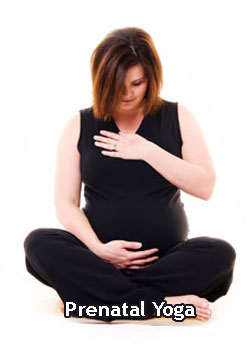
Regardless of whether you are looking forward to a drug assisted birth or planning for a natural delivery, regular participation in a prenatal yoga program can reduce labor-associated anxiety by helping you tap into your own labor tools.
Soothe & empower yourself by finding your own inner rhythm: You can learn to breathe in a way that is relaxing and natural, rather than contrived or awkward. When you consistently practice moving your body in a rhythmic fashion in unison with your breath, you carry with you a powerful relaxation and pain management tool. Facilitate the labor process: Through yoga, you can learn how to identify when you are holding to tension in your body. A body that is tense is not going to facilitate the birth process as easily as one that is relaxed. Moreover, when the body is tense, you may experience tension in thought and a withholding of breath. Improve your physical comfort: If you are hoping for a natural birth, it can be helpful to have an idea of how you can position your body to help you during contractions and during relaxation. Many yoga poses can translate wonderfully into comfortable laboring positions. Learn to use the tools of meditation & visual imagery: When it comes time to ride through the most powerful of contractions, visual imagery combined with breath work can be one of the most useful labor tools. Become familiar with the concept of vocalization: Labor is no time to be shy. It is the rare woman who births naturally and does not make a lot of noise in the process. If your yoga class includes chanting, you have an opportunity to become comfortable with the inherent power of vocalization. After all, "Om" is the birth sound! Use the muscles of your pelvic floor effectively: The weeks of squatting were not done in vain! Squatting combined with a kegel-like movement during pregnancy really can help your labor in two ways. If you receive an epidural, you may lose sensation in your pelvic floor which can make pushing your baby out a bit of a guessing game. If you are used to working with these muscles, you will find it easier to use them even if you cannot feel them. Alternatively, if you are opting for a natural birth, you will want these muscles to work quickly and effectively when it comes time to push. |
Prenatal Yoga FAQs: Frequently Asked Questions
- When should I start?
- How often should I come to class?
- Can I take Prenatal Yoga without any previous experience?
- What should I wear?
- How can Yoga help me prepare for the birth experience?
- How long can I continue to practice?